Committee Members

Prof Celia Abolnik
Dr Bernard Brett
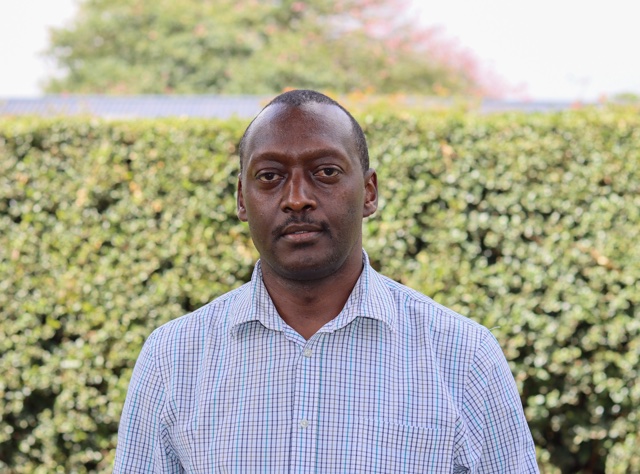
Bernard is a Principal Scientist and Theme Leader for Zoonoses and EmergingDiseases at the International Livestock Research Institute (ILRI). His research aimsto develop solutions for re-emerging zoonotic diseases in low- and middle-incomecountries.
He combines mechanistic modeling with field studies to understand howpathogens spread between animals and humans in diverse interfaces, and howinterventions can be applied optimally under each setting.
His responsibilities as aTheme Leader includes shaping the team vision, building partnerships, engagingpolicymakers, and raising funding. His work has informed a number of diseasecontrol policies and generated well-cited peer-reviewed publications.
Dr Annelie Cloete
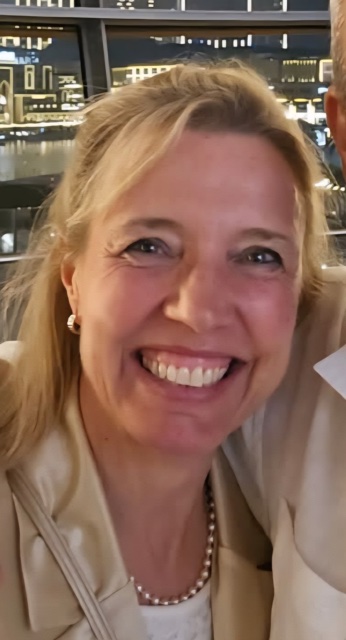
Annelie finished her veterinary degree at the University of Pretoria, South Africa, in 1991.She worked in small animal and bird private practice for the first 5 years, followed by a careeras state vet for the next 3 decades. During the first 7 years at national level this includedimport and export policy, training and assessment of animal health officials, mainly controlledanimal diseases (for example bovine tuberculosis and brucellosis) and the acquisition andimplementation of a Veterinary Laboratory Information Management System (LIMS)nationally. During the remaining 23 years, at provincial level her main responsibilitiesincluded lecturing livestock health at the Elsenburg Agricultural Training Institute; clinicalanimal health services for the state herds; research ethics and animal welfare, in particularthe implementation of newly regulated state vet functions in the licensing of performing(exhibited and security) animals.
In 2018 she received an MSc in Tropical Animal Health (cum laude), which was offered incollaboration between the Veterinary Faculty of the University of Pretoria at Onderstepoortand the Institute for Tropical Medicine (ITM) in Antwerp. This included applied modules inSerology and Epidemiology. With her interest in immunology her research project exploredthe use of commercially available farm animal antibodies/molecules to unlock the Enzyme-linked Immunosorbant Assay (ELISA) for African hoofed and herbivore wildlife species.
She served the veterinary profession in various capacities over the years within the SAVC(Vet Council), SAVA (Veterinary Association), SASVEPM (Epidemiology Society), standardsbodies, (such as SAQA SGB, SANAS, SABS) and at a regional level in SADC (SouthernAfrican Developing Community).
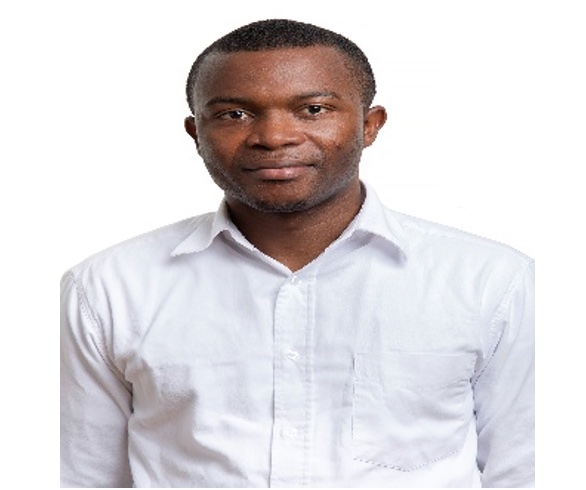
Prof Enoch Owusu-Sekyere
Enoch Owusu-Sekyere is a Senior Lecturer and Associate Professor of Economics in theDepartment of Economics at the Swedish University of Agricultural Sciences (SLU). He isalso a Research Fellow at the University of the Free State.
His research focuses on appliedagricultural and environmental economics, with particular interests in animal health andwelfare, agricultural and food policy, farm management and decision-making, food security,climate change, consumer behaviour, technology adoption, and risk.
His methodologicalexpertise includes econometric modelling, impact evaluation, and risk modelling. Hisresearch contributes to understanding economic decision-making and policy challenges atthe intersection of agriculture, food systems, animal health, and environmental change.
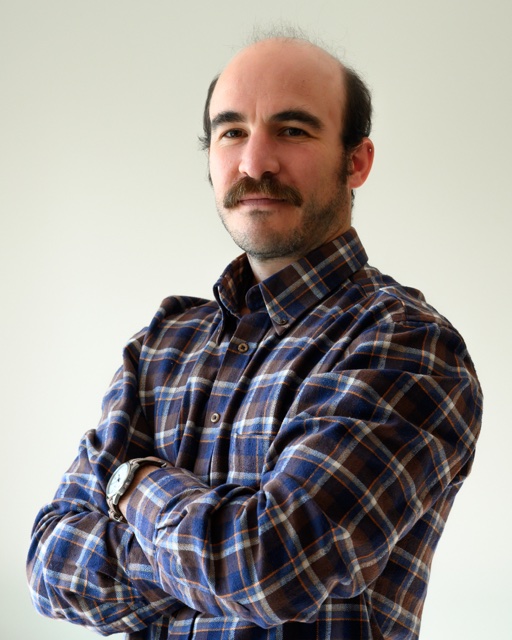
Dr Francis Edwardes
Francis Edwardes is a post doctoral researcher in agricultural economics at Stellenbosch University. He holds a PhD from Wageningen University (NL; 2023) and an MComm From Stellenbosch University (RSA; 2019).
His research largely centres around the development of bioeconomic simulation models to study the effects of animal health in relation to producer level economic and animal welfare management. This research has been featured in journals including Preventive Veterinary Medicine, the Journal of Dairy Science, Animal, and Computers and Electronics in Agriculture.
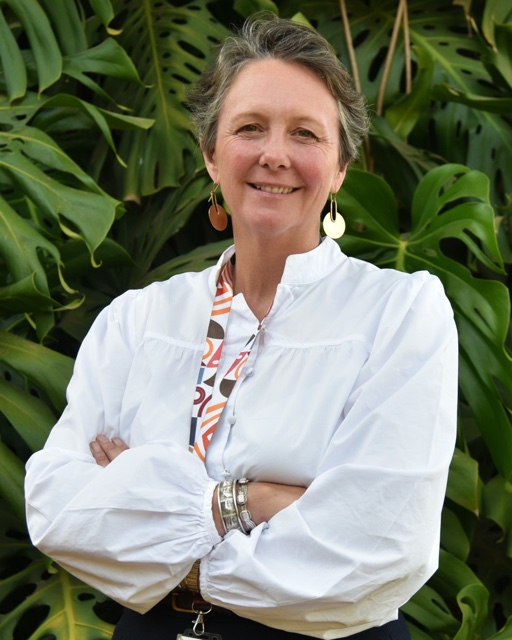
Dr Lian Thomas
Lian Thomas is a Senior Scientist at the International Livestock Research Institute(ILRI) in Kenya and a Lecturer in One Health and Food Systems at the University ofEdinburgh. Originally from Cornwall in the UK, she graduated with a DVM from St George University, Grenada, in 2009, with an intercalated MSc in Animal Production with Makerere University, Uganda, and became a Member of the Royal College of Veterinary Surgeons by examination. She completed her PhD on the epidemiology of Taenia solium in Kenya at the University of Edinburgh, in collaboration with ILRI, in 2014.
After a career break to raise her children in Zimbabwe and Zambia, she returned to Kenya and to full-time research in 2018. Her research focuses on the sustainable control of neglected zoonoses, combining field epidemiology, economic analysis and qualitative work on the context of disease transmission, surveillance and control.
Her work is focused predominately in Kenya and Uganda, with collaborations in Ethiopia, Malawi, Nigeria and Laos PDR. Lian is committed to applying One Health principles to complex problems and to supporting early career professionals, and she is a former fellow and current trustee of the Soulsby Foundation for One Health.
Outside work, she enjoys walking her dogs inthe tea estates near Nairobi, sailing on Lake Naivasha, and camping with her family in Kenya's parks.

Dr Liesl De Boni

Prof Melvyn Quan
Professor Melvyn Quan is an associate professor in the Department of VeterinaryTropical Diseases. In 2005, he received a PhD from the University of Edinburgh.He returned to the University of Pretoria as a research officer, working on African horse sickness surveillance, geographic information systems, molecular epidemiology, and the development and validation of diagnostic assays.
He moved to an academic post in 2010 and continued research on the development and validation of rapid, multiplex molecular assays for diseases of veterinary importance. He also elucidates the epidemiology of transboundary diseases ofveterinary importance, such as foot-and-mouth disease, African horse sickness,peste des petits ruminants and malignant catarrhal fever.
He has lectured in 20 undergraduate and 10 postgraduate modules and has been involved in curriculum design and 13 continuing education courses.
n 2022, he was awarded the Faculty of Veterinary Science Teaching and Learning Award for Education Innovation. He is currently an NRF C-rated researcher and has published over 50 articles in peer-reviewed journals.

Dr Laura Roberts
Laura finished her veterinary degree at the University of Pretoria, South Africa, in 2012 and aMasters in Epidemiology, researching foot-and-mouth disease control policy, in 2015. She worked as a livestock vet in 2016 and a State Vet: Epidemiology for the Western Cape Department ofAgriculture from 2017 to 2026.
Though responsible for general animal disease control policy,response and surveillance, her focus has been on high pathogenicity avian influenza, in both domestic and wild birds.
She received a PhD from the University of Pretoria in 2025, for research on the epidemiology and management of avian influenza in coastal birds.
She is a member of the Offlu(WOAH-FAO network of expertise on animal influenza) Wildlife and Epidemiology working